
Myofascial Dry Cupping
What is Cupping?
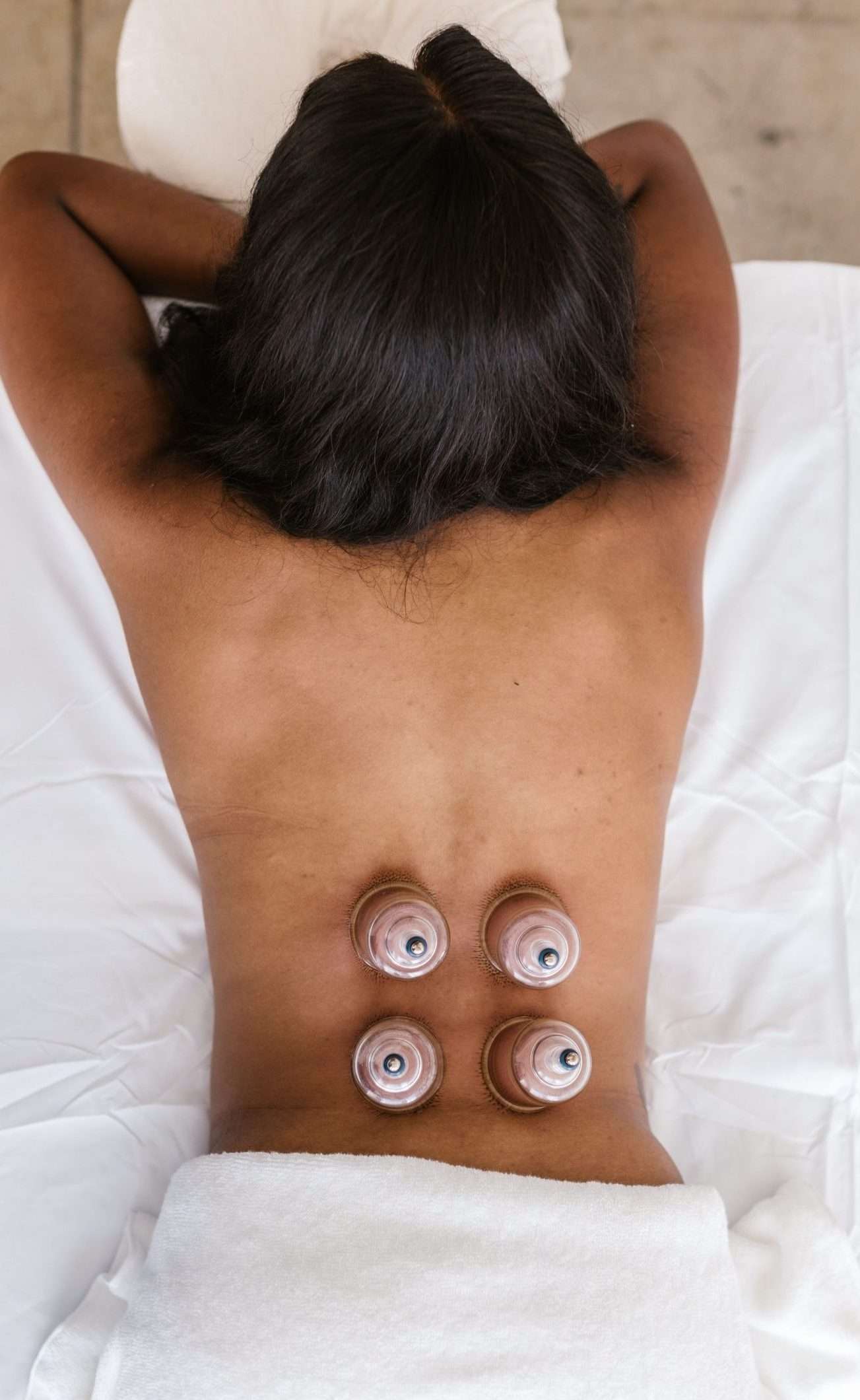
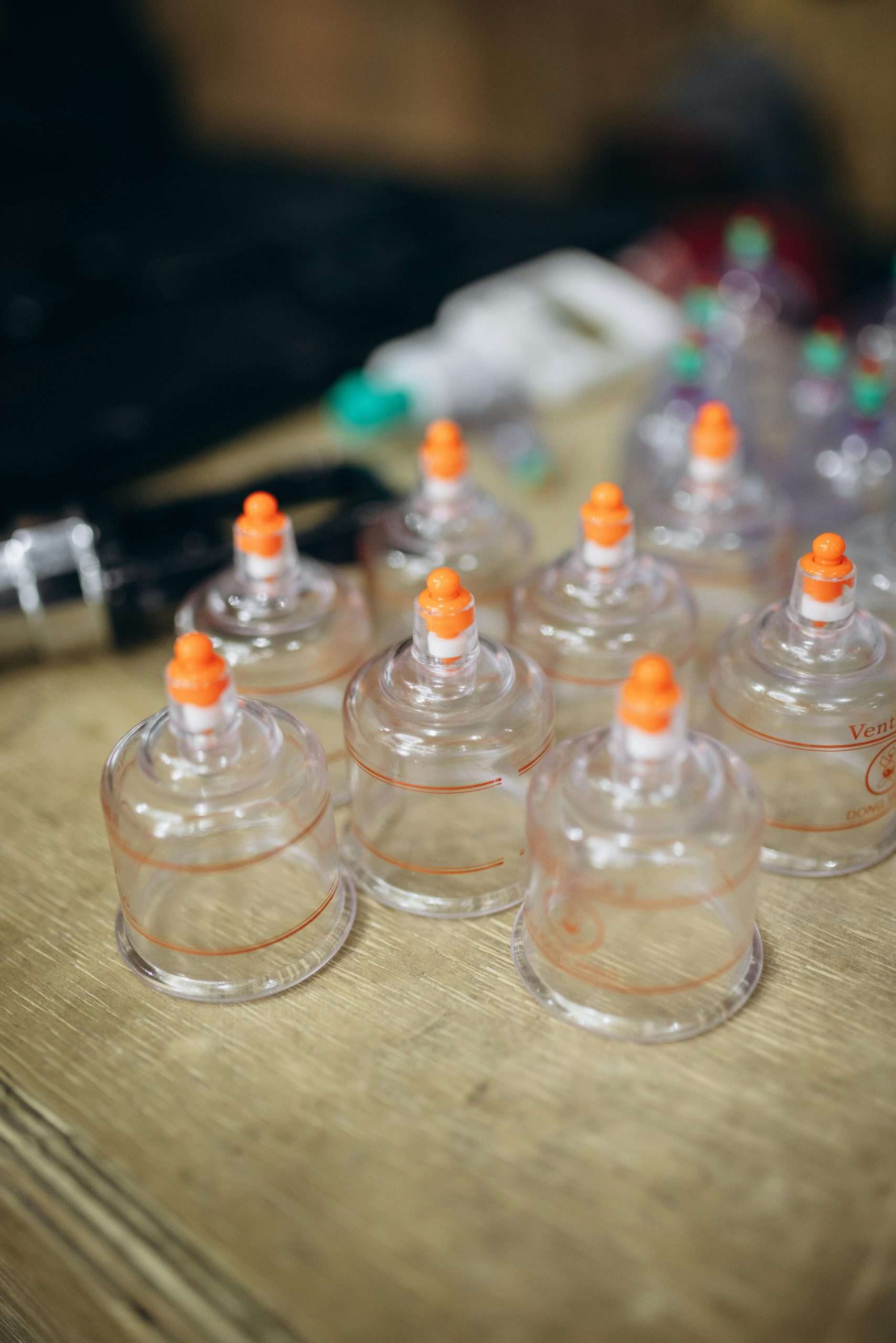
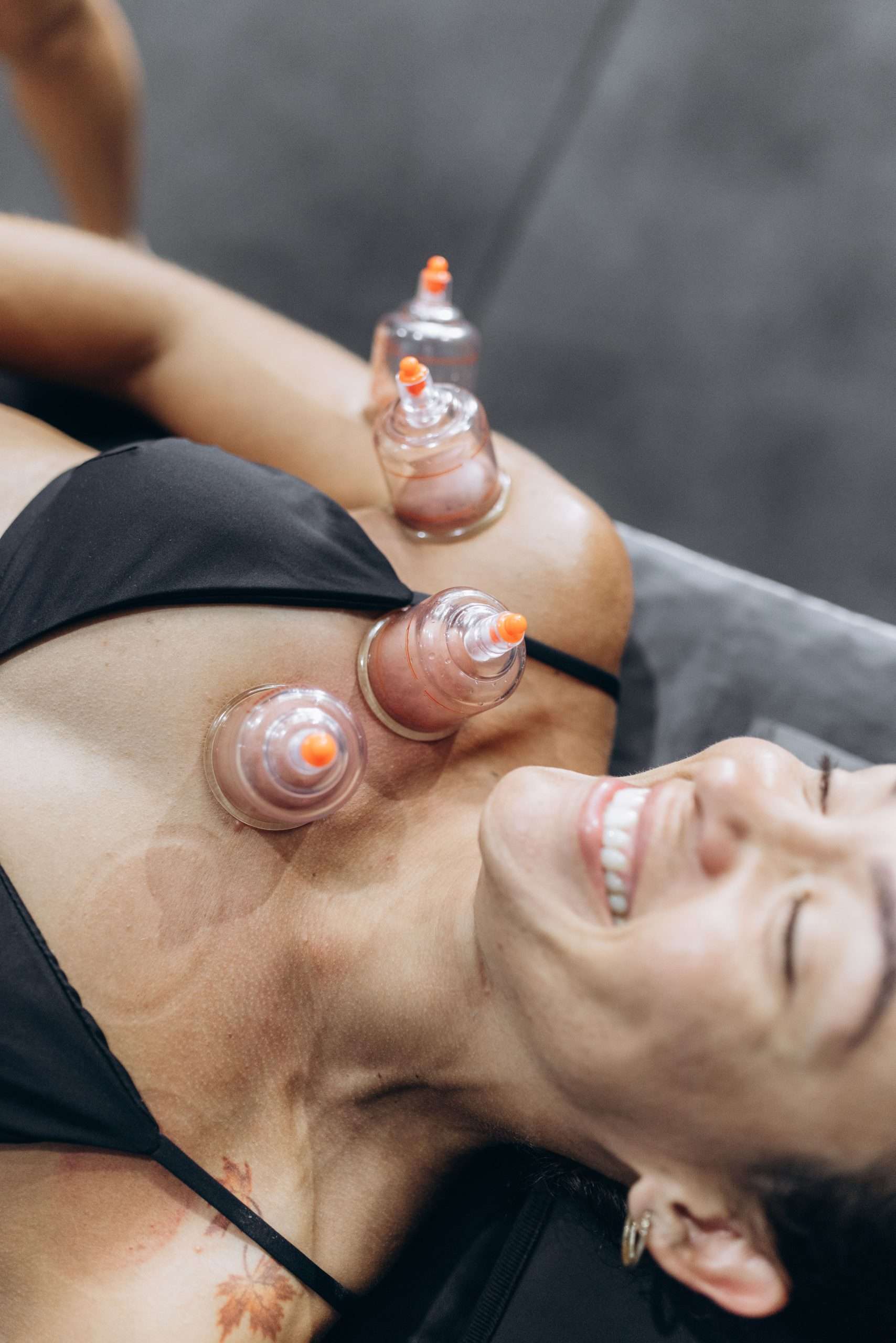
Dry cupping uses specially designed suction cups placed on the skin to create a negative pressure effect — gently lifting the soft tissue beneath rather than compressing it like traditional massage.
This lifting action increases blood flow to the area, creates space within the muscle and fascia, and helps break down the kind of deep, stubborn tension that hands alone can struggle to reach.
It’s called “dry” cupping to distinguish it from wet cupping, which involves the skin being punctured. Dry cupping is non-invasive and widely used by sports therapists, physiotherapists and practitioners worldwide.
What are the marks?
Cupping can leave tempoary circular marks on the skin. These are normal and usually fade gradually over several days. If you’re concerned about visible marks before an event or holiday, just let me know and we can adjust the treatment accordingly.
What does it feel like?
Most clients describe the sensation as an unusual pulling or stretching feeling — quite different from the pressure of massage. It can feel intense in areas of significant tension but is generally well tolerated and often surprisingly comfortable once you relax into it.
What Does Dry Cupping Help With?
Combined With Sports Massage
Dry cupping and sports massage work exceptionally well together. The cupping lifts and decompresses the tissue while massage works deeper into the muscle — the two techniques complement each other in a way that produces better results than either alone.
Most clients who try a combined session don’t go back to massage only.
Is Dry Cupping Right for You?
There are some contraindications for cupping — including broken skin, active inflammation, certain skin conditions and some medications. A short consultation before your first session ensures treatment is safe and appropriate for you.
If you’re not sure, just get in touch and I’ll advise honestly.

The Federation of Holistic Therapists (FHT) has been a driving force in maintaining high standards in therapy education and practice in the UK. For more information visit www.fht.org.uk